
If you're new to Forex trading or looking for the first currency pair to learn, EUR/USD is the answer traders around the world agree on. It has the highest liquidity, the tightest spreads, and the most readily available information of any currency pair.
EUR/USD trading volume represents roughly 22–24% of total daily turnover in the global Forex market, which the Bank for International Settlements' (BIS) 2022 Triennial Survey put at around $7.5 trillion per day.
Why Is EUR/USD the Most Popular Pair in the World?

- Tightest spreads: Leading brokers typically offer spreads starting from 0.0–0.1 pip on EUR/USD
- High liquidity: Buyers and sellers are active around the clock, so price moves tend to be smooth with minimal slippage
- Easy to find data and analysis: Analysts worldwide track EUR/USD closely
- Works with every strategy: Suitable for Scalping, Day Trading, and Swing Trading alike
Key Factors That Drive EUR/USD
1. ECB (European Central Bank) Monetary Policy
ECB meetings, held roughly every 6 weeks, are one of the most important drivers. Changes to interest rates, the tone of the ECB President's press conference, and QE (Quantitative Easing) policy all have a direct impact on the euro's value.
2. Fed (Federal Reserve) Monetary Policy
The US dollar side is controlled by the Fed, which holds FOMC meetings roughly every 6–8 weeks. Fed rate hikes tend to strengthen the USD, pushing EUR/USD lower.
3. Key Economic Data
- Eurozone side: Eurozone GDP, CPI inflation, employment data, PMI
- US side: Non-Farm Payrolls (NFP), US CPI, GDP, Retail Sales, ISM PMI
4. Geopolitical Factors
Political tension, conflicts between nations, and global crises all have a strong effect on EUR/USD movement. Generally, the USD tends to strengthen when global market sentiment turns risk-off.
Best Trading Sessions for EUR/USD
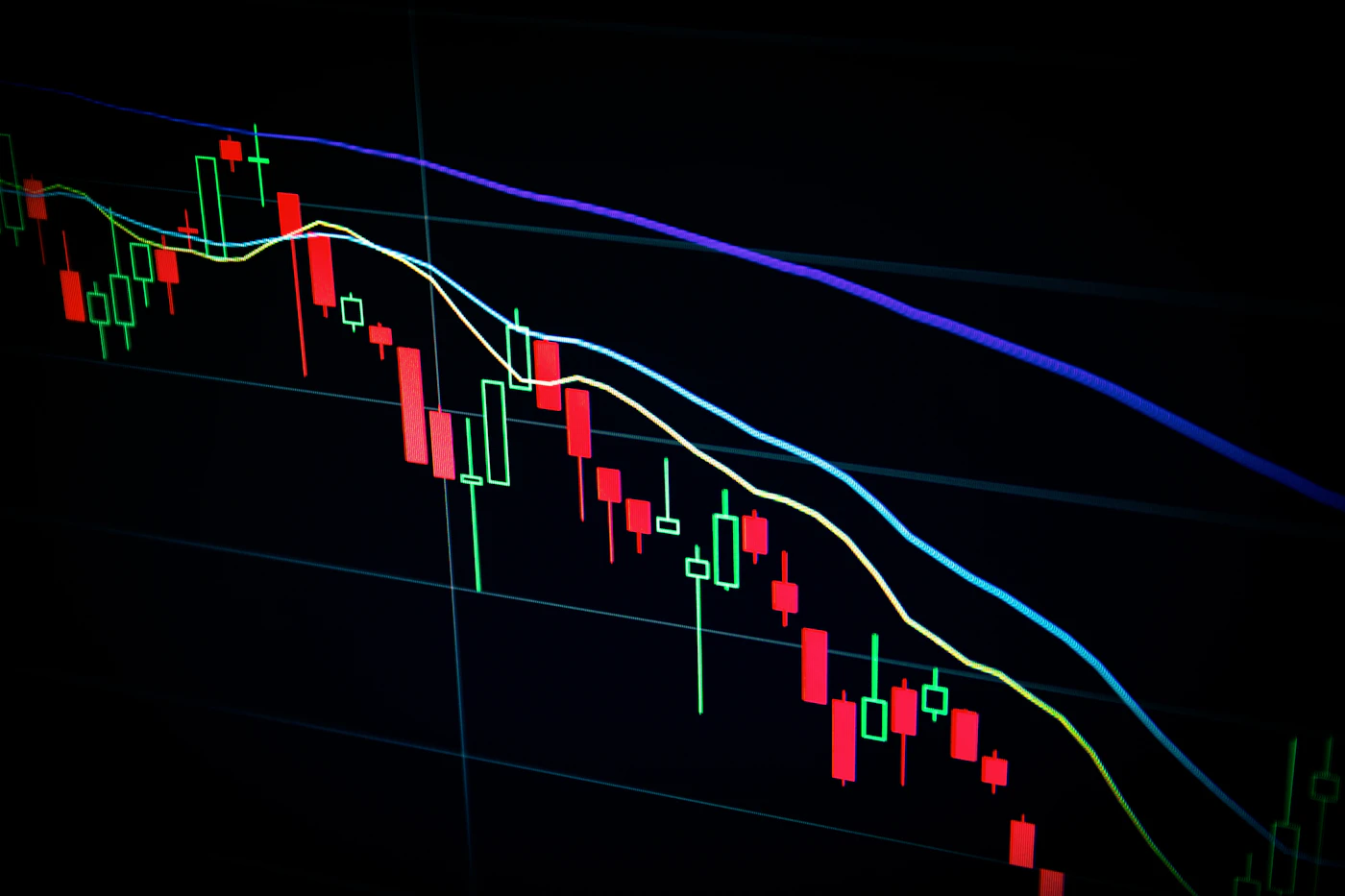
EUR/USD behaves differently across sessions (times shown in UTC):
- London Session (approx. 07:00–16:00 UTC): Volatility starts to pick up, spreads tighten, well suited to Day Trading
- New York Session (approx. 12:00–21:00 UTC): The London–New York overlap (approx. 12:00–16:00 UTC) sees the highest liquidity and the strongest price moves
- Asian Session (approx. 23:00–08:00 UTC): Lower volatility, spreads can widen, generally less suited to Scalping
Session times shift by about an hour depending on the time of year, since the UK, the EU and the US do not switch to daylight saving on the same dates.
Recommendation: Beginner traders should focus mainly on the London session, since price action tends to be clearer and patterns easier to read.
EUR/USD Trading Strategies
1. Trend Following
Analyse the Daily/H4 charts to identify the primary direction, then drop down to H1/M30 to look for an entry in the same direction. Use the 50/200 EMA to help confirm the trend.
2. Breakout Trading
Wait for price to break through a strong Support or Resistance level, ideally with rising volume. This works well around the London Open, when price often breaks out of the Asian session range.
3. News Trading
Major releases such as NFP, CPI, FOMC decisions and ECB announcements can move EUR/USD by 50–150 pips or more within minutes. Caution: spreads typically widen sharply around news releases and volatility spikes, so this approach is not recommended for beginners.
Key Support & Resistance Levels
EUR/USD has several key levels the market watches closely:
- Psychological levels (round numbers): 1.0500, 1.0800, 1.1000, 1.1200 — these levels tend to attract heavy liquidity
- Historical highs/lows: Past extreme price levels often act as strong Support/Resistance
- Fibonacci retracement: The 38.2%, 50% and 61.8% levels are commonly used to find entries after a pullback
Summary: EUR/USD Suits Traders of Every Level
EUR/USD is one of the best currency pairs to start Forex trading with, thanks to its liquidity and tight spreads. That doesn't mean it's always easy, though — it still carries the same volatility and risk as any other currency pair. How much of that risk you're actually exposed to also depends on which entity you open your account with, since protections vary between brokers regulated by bodies such as the FCA, ASIC, CySEC or others, and those operating without oversight from any of them.
Recommended next steps:
- Open a Demo Account and practise trading EUR/USD for at least 1–2 months
- Follow the Economic Calendar for major EUR and USD releases every week
- Analyse the Daily chart first, then drop down to H4 and H1 to look for an entry
- Keep a trading journal for every trade to learn from both wins and losses


