
"The best traders aren't the ones who win the most trades — they're the ones who never let a single losing trade wipe out their account."
A study by the European Securities and Markets Authority (ESMA) found that 70-80% of retail traders lose money trading forex and CFDs. The main cause isn't bad chart analysis — it's poor money management.
Why Is Money Management the Heart of Trading?

Picture two traders:
- Trader 1: Wins 60% of trades but never uses a Stop Loss — one bad trade wipes out the whole account.
- Trader 2: Wins only 45% of trades but manages risk well with a 1:2 Risk:Reward ratio — and ends up profitable over time.
Money management is what keeps you "alive long enough to learn and improve" — even when your trading system goes through a rough patch.
The 1-2% Rule: Never Risk More Than That Per Trade
This is the golden rule every professional trader follows — never risk more than 1-2% of your total account on a single trade.
Example: With a $1,000 account
- 1% risk = $10 per trade
- 2% risk = $20 per trade
With this rule, even ten losing trades in a row would leave you with more than 80% of your account — enough to keep trading.
Position Sizing: Calculating the Right Lot Size
Position sizing means calculating how large a lot size to trade based on your Stop Loss distance.
Formula:
Lot Size = (Account Balance × Risk %) ÷ (Stop Loss in pips × Pip Value)
Example: $1,000 account, 1% risk = $10, Stop Loss of 20 pips, Pip Value = $1 (mini lot)
Lot = $10 ÷ (20 × $1) = 0.5 mini lot, or 0.05 standard lot
Risk:Reward Ratio — Staying Profitable Even When You Lose Often
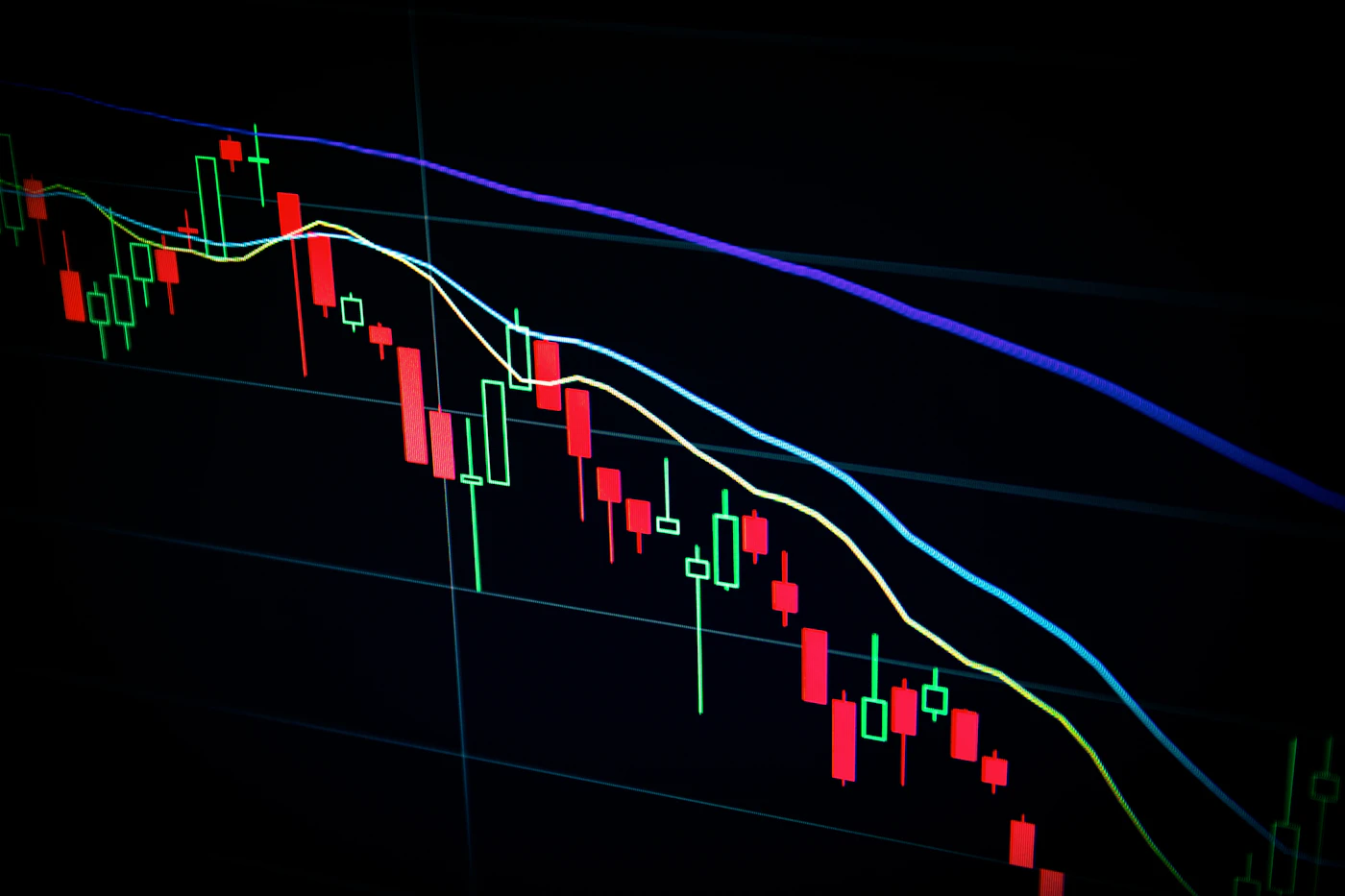
The Risk:Reward ratio (R:R) compares the amount you're risking against the profit you expect on a trade.
- R:R = 1:1 — you need a win rate above 50% to be profitable
- R:R = 1:2 — a win rate of just 34% can still be profitable
- R:R = 1:3 — a win rate of just 25% can still keep you afloat
Most professional traders set a minimum R:R of 1:2 before taking any trade. If the setup doesn't offer at least 1:2, they skip it.
Stop Loss & Take Profit: Always Set Them Before You Enter
Stop Loss (SL)
A Stop Loss is your "account insurance" — it force-closes a trade when price moves against you. Trading without a Stop Loss is like driving without a seatbelt.
- Place your SL at a sensible technical level, such as below Support or above Resistance.
- Never move your SL further away once price moves against you — that's a dangerous habit.
- Use a Trailing Stop Loss to lock in profit as price moves in your favour.
Take Profit (TP)
Set your TP at a Resistance level (for longs) or Support level (for shorts) to lock in gains according to plan. Some traders choose to close part of the position at TP1 and let the rest ride the trend.
Advanced Money Management Techniques
Kelly Criterion
A mathematical formula for finding the optimal position size: f = (bp − q) / b, where b = R:R ratio, p = win rate, and q = 1−p. Many traders use Half Kelly (50% of the full Kelly value) to reduce volatility.
Pyramiding (Adding to Winning Positions)
This technique adds to a position as price moves in your favour and the trade is already profitable. It can amplify gains during strong trends, but it requires strict discipline to execute properly.
Summary: Money Management Isn't Optional — It's a Condition for Survival
Money management is the difference between a trader who survives long-term and a trader who blows up their account before they've learned enough.
Start with three simple rules:
- Never risk more than 1-2% per trade
- Always set a Stop Loss before entering a trade
- Only take a trade if it offers at least a 1:2 Risk:Reward ratio
Follow these rules consistently — even when it feels tedious. That's what separates a "professional trader" from a "gambler."


