
Pip (Percentage in Point) is the smallest standard unit used to measure a price change in a currency pair in Forex trading, usually the 4th decimal place (for example, 0.0001 for EUR/USD). Point, often called a Pipette, is a unit ten times smaller than a pip, sitting at the 5th decimal place, used for more precise pricing on MT4/MT5 platforms that now run 5-digit pricing.
Understanding these two terms is one of the most important basics in trading, because they are the units used to calculate profit, loss, spread, and Stop Loss. Misreading a single decimal place can cause your SL to end up 10 times wider or narrower than intended.
What Is a Pip? Definition and EUR/USD Example
Pip stands for "Percentage in Point", though some textbooks call it "Price Interest Point". It's the standard unit used internationally to measure the smallest movement in a Forex currency pair's price.
For most currency pairs with USD as the quote currency (such as EUR/USD, GBP/USD, AUD/USD) — 1 pip = 0.0001, or the 4th decimal place.
Example: the EUR/USD price moves from 1.0850 → 1.0851 = a 1 pip move
The exception is pairs that include JPY (such as USD/JPY, EUR/JPY) — 1 pip = 0.01, or the 2nd decimal place, because the yen's unit value is smaller.
Example: USD/JPY moves from 151.20 → 151.21 = a 1 pip move
Pip rules by currency pair type
- Major pairs without JPY → 1 pip = 0.0001
- Pairs that include JPY → 1 pip = 0.01
- Gold XAU/USD → 1 pip = 0.01 (some brokers define it as 0.1)
- Oil WTI/Brent → 1 pip = 0.01
How a Point (Pipette) Differs From a Pip in the 5-Digit System
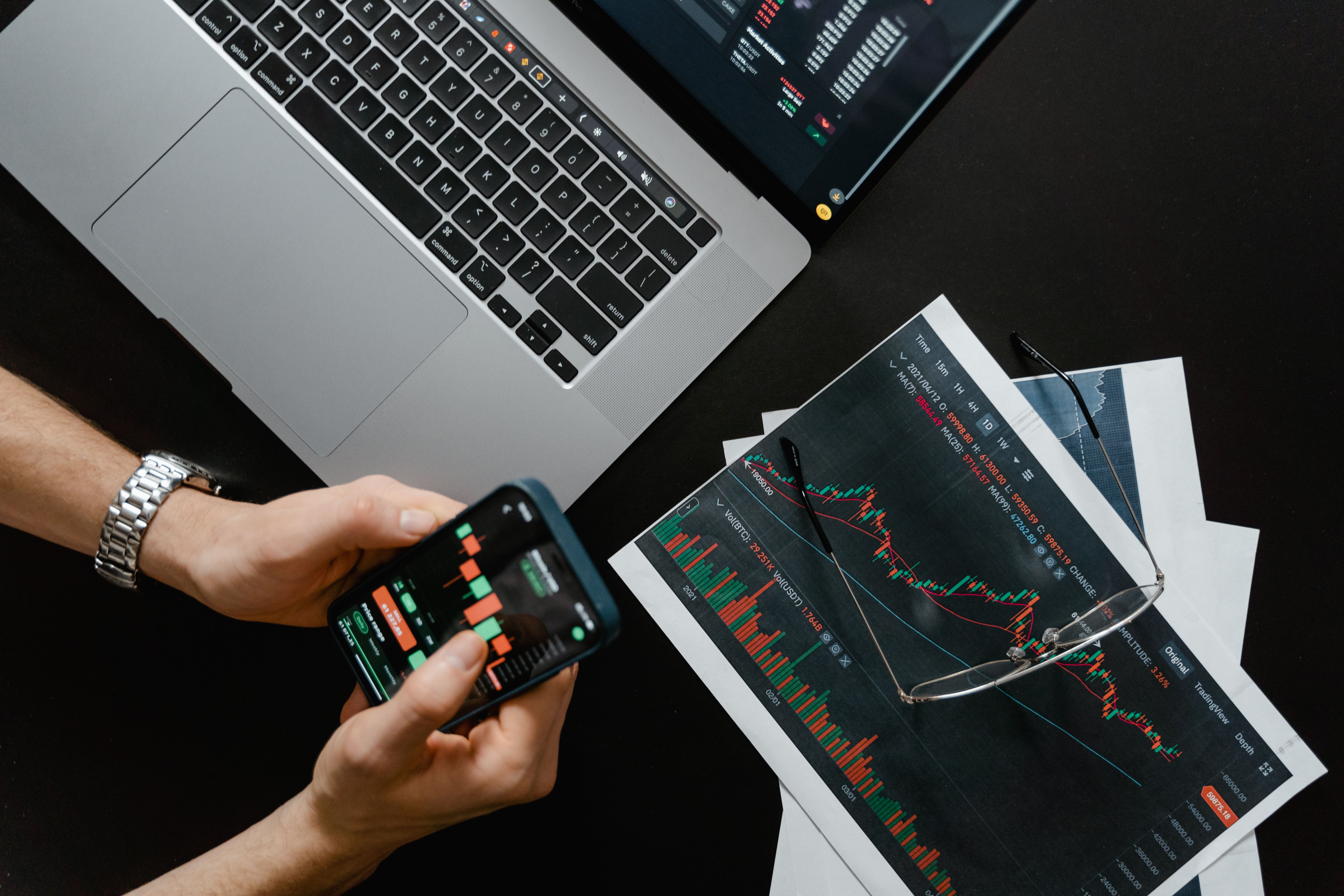
Since around 2010, most brokers have switched to 5-digit pricing, which shows a 5th decimal place known as a Point or Pipette. Specifically:
1 pip = 10 points (pipettes)
A real example on the MT5 platform in 2026:
- EUR/USD price = 1.08504 — the last digit, 4, is the point
- If the price moves to 1.08507 = a move of 3 points = 0.3 pip
- If the price moves to 1.08604 = a move of 10 points = 1 pip
On MT4/MT5, when a broker advertises "Spread: 7 points," it actually means 0.7 pip — a very tight spread for EUR/USD in 2026.
Why do brokers advertise in points instead of pips?
Because the point figure looks smaller and more attractive — "Spread: 5 points" looks better than "Spread: 0.5 pip," even though they mean exactly the same thing. Beginner traders should watch for this so they don't misread the real cost.
Formula to Calculate 1 Pip Value for EUR/USD and XAUUSD
The value of 1 pip depends on the lot size of your open order, using this formula:
Pip value = (pip size / current price) × lot size
Example 1: EUR/USD at 1 Standard Lot
- Lot size = 100,000 units
- 1 pip = 0.0001
- Pip value = 0.0001 × 100,000 = $10
This means if EUR/USD moves 1 pip, you gain or lose $10 per lot.
Example 2: EUR/USD at 0.01 Lot (Micro)
- Lot size = 1,000 units
- Pip value = $0.10
Example 3: XAUUSD (Gold) at 1 Lot
- 1 lot of gold = 100 ounces
- If 1 pip of gold = 0.01 → Pip value = $1
- If 1 pip of gold = 0.1 → Pip value = $10
Gold moves very fast in 2026 — on some days it swings 2,000–3,000 points ($20–$30) within a few hours. Understanding pip value matters for setting SL/TP accurately.
Comparing Low-Spread Brokers for Tight-Pip Trading in 2026
Once you understand pips, the next step is choosing a broker with a tight spread, since spread is the cost you pay on every order — the tighter it is, the easier it is to profit, especially for scalpers who need only 5–10 pips per trade.
| Broker | Gold Spread | Leverage | Regulation | Minimum Deposit |
|---|---|---|---|---|
| IUX | 1.6 pips | 1:3000 | ASIC, FSC, FSA | $50 |
| Exness | 1.6 pips | 1:2000 | CySEC, FCA | $100 |
| XM | 5.5 pips | 1:1000 | ASIC, CySEC | $30 |
*Average spread data from Standard accounts
All three brokers above hold licenses from overseas regulators such as ASIC (Australia), CySEC (Cyprus/EU), and the FCA (UK). It's worth noting that the level of protection you actually get depends on which legal entity of the broker you open your account with — offshore entities (for example, those registered in Mauritius, Seychelles, or St. Vincent and the Grenadines) typically offer far fewer investor protections than entities regulated by Tier-1 authorities like the FCA or ASIC. Always check which entity appears on your account-opening documents before depositing funds.
Common Pip Mistakes Beginner Traders Make
- Confusing pip and point when setting a Stop Loss — entering "200" in the MT5 SL field thinking it's 200 pips, when it's actually 200 points = only 20 pips. This causes the SL to be hit much faster than expected.
- Forgetting that JPY pairs use 2 decimal places — calculating them the same way as EUR/USD can make profit calculations off by up to 100 times.
- Not counting spread as a cost — a 1 pip spread on 1 lot = $10 in cost the instant the order opens. Trading 10 times a day = $100/day.
- Calculating gold's pip value the same way as a currency pair — XAUUSD has a contract size of 100 ounces, so the value of 1 pip is completely different from EUR/USD.
- Using high leverage because pip movements look small — even though a pip is small, with 1:1000 leverage, a 50-pip move alone can wipe out an entire account in one trade.
Frequently Asked Questions (FAQ)
How much is 1 pip worth in dollars?
For EUR/USD at 1 standard lot, 1 pip = $10. At 0.01 lot (micro), it's about $0.10 per pip.
If gold (XAUUSD) moves $1, how many pips is that?
It depends on the broker's definition. Most brokers in 2026 use 1 pip = $0.10, so a $1 move in gold equals 10 pips, or 100 points on MT5.
Is a 7-point spread the same as a 0.7 pip spread?
Yes, they're identical, since 10 points = 1 pip. Brokers often advertise in points because the number looks smaller and more attractive, even though the value is exactly the same.
Why does USD/JPY only use 2-3 decimal places?
Because the yen's unit value is much smaller than the dollar's (1 USD ≈ 150 JPY), so it doesn't need many decimal places. A pip on JPY pairs sits at 0.01, and a point sits at 0.001.
How should I compare spreads between brokers?
Look at the average spread on the specific instrument you trade most (such as EUR/USD or XAUUSD) under the same account type, since spreads differ between Standard, Raw/ECN, and Islamic (swap-free) accounts. Compare published averages against your own trade confirmations, since real-time spreads can widen sharply during high-impact news.


